Estimated Costs of Developing a Mobile App in Kenya
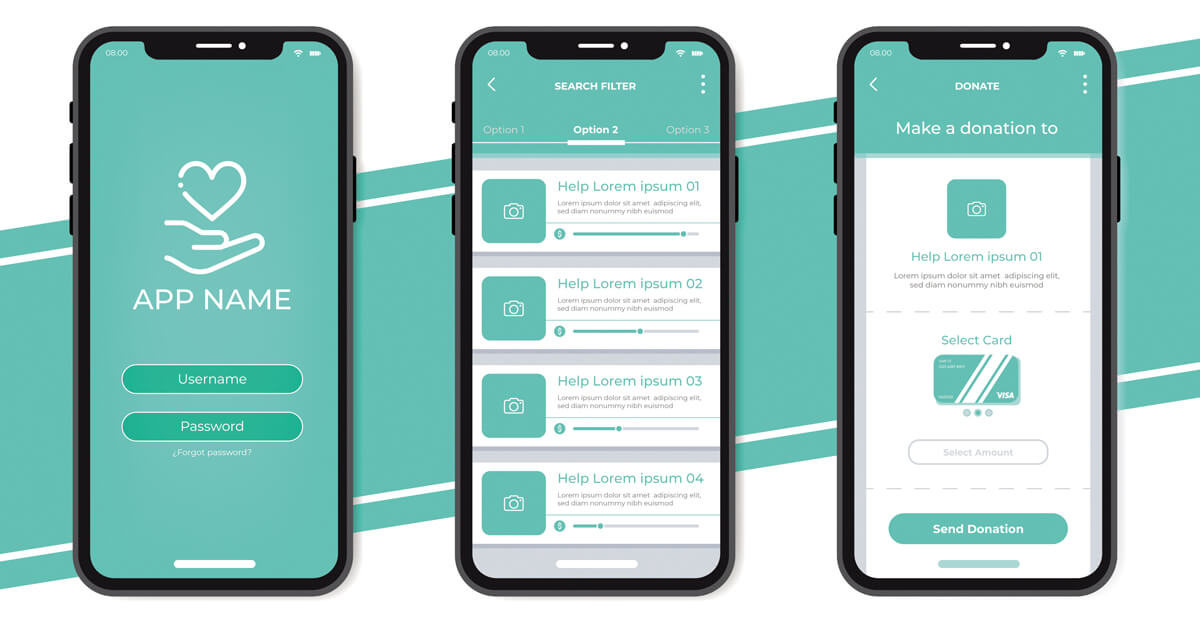
The process and cost of designing and developing a mobile app in itself is tedious: anywhere in the world. Mobile app development is an expensive process overall, but cheaper alternatives are available like site conversions and templates. From idea visualization, to wireframe design, to finding the right developer, doing the development, testing, unit integration and finally going live or deployment to a store can tiring. The estimated costs of developing a mobile app in Kenya as anywhere else are dependent on the same factors; though this can vary.
Most software companies, especially those that primarily deal in mobile app have all that it takes to understand the intricacies of mobile app development. Currently, it’s a trend for most startups and established companies to have a working and available app for their organization.
For business owners who have the misguided notion that an app can be done within a week and for about Kshs.s.. 100,000; you’re being dubbed into buying downloadable template apps that either lack design for customization, are poorly written or completely insecure and sometimes, with malicious code embedded within the site. Essentially, cheap is way too expensive in the long run. App development isn’t cheap.
Exploding Internet Technology Usage
The world is increasingly depending on Internet technology mainly on smartphones, one should consider having a mobile app for their business plan to grow and reach potential customers. Statistical forecast shows that online traffic (Internet usage) in Kenya will increase to more than 65% by end of year (2023). This explosive usage of Internet has led to a high demand for development of mobile apps, with the market value of mobile apps being valued at about $100 billion.
When one is planning to build a mobile app for themselves or their business, consider the overall development cost and other related charges so as to allow for a smooth development process. Mobile app development is tedious, needs specialization and generally, costly.
Why Does Your Business Need a Mobile App?
Competition! If your business competitor has one, and by it there’s a change in the customer conversion rates, then by code, have one. Also, having a well-designed and responsive works way better for you than those still not on the Web. If you contemplate on the development of a mobile app, you could increase your business approach over your closet competitors.

Here Are Few Advantages of Developing a Mobile App for Your Business in Kenya
- Improve Accessibility
With people spending more time on their smartphones and approximately 200 minutes with mobile apps, a mobile app will be the best way to access your business without a need to switch devices.
- Enhances Customer Engagement
A good mobile app helps us to engage with users/customers in real-time and should be easy to use: these are important qualities for ensuring a smooth customer experience. It helps to build trust and stronger relationship.
- Improve Brand Recognition
With the statistical data pointing to mobile users increasingly spending more time on their mobile phones, this engagement is done mainly on apps consistently.
- Improve Value Proposition
With mobile apps, you can give early-bird discounts, usable information and real-time support to your customers who are using your mobile app for business transactions.
- Presents Another Avenue for Sales
The usability and accessibility of an app will encourage users to carry out transaction with the businesses rather than visit a competitor who has a static website.
Read also: The Cost of a Domain Name in Kenya
Type of Business Mobile Apps
There are various type of mobile apps depending on the type of target market. You can select according to type of your business.
- Basic functionality– It basically develop for improves the usability of mobile devices, in essence, responsiveness.
- Database- driven functionality– It’s mainly developed for organization of files and programs in database format.
- Games: Game development is more complicated processes in app development.
- Modification– It design to improve and add functionality of an already existing mobile app.
- Fully Dynamic-a data driven type of mobile app but it depends on external/third party data information
- Custom app– Allows you to customize the mobile app content in a specific way to suit your needs. This can mostly be downloadable templates.
It is very important that you know the type of app you are going to develop. It will help you to move faster and lower the risk involved in the development process.
The Process of Developing a Mobile App
Steps followed in the mobile app development process are:
- Ideation (Developing the Idea)
Once you decide the type of the app you need for your business, we start to shift our focus on developing the concept behind the application idea. This process requires input from the app owner and the developer so as to understand fully what’s to be developed. Essentially, it’s understanding what the app does and doesn’t, what it can and can’t do and who are the target market.
- Design Layout
At this stage, the wireframe design to show the layout, structure and functionality layout of the mobile app. Here, the market niche can dictate the direction it’s to be designed; maybe, based on what the market is offering or what your competitor has. Replication of functionality, feel and touch are all considered.
- Design and Development
In this stage, the design the user interface of the application is done. It includes both frontend and backend development. It involves customization of user experience, server-side logic, management of users, data integration, caching of data and development, synchronization of data, and various schedules for testing.
- Testing the App
In this stage, the mobile app is tested; layout (on different screen sizes), bandwidth usage, functionality as envisioned. It includes unit testing, A/B testing and black box testing. This is first done using dummy data that meets all the qualities of the exact data needed to be used in a live environment.
- Going Live
Once everything has been checked and verified, with proof of the expected functionality and usage by the quality assurance (QA) team, the mobile app is ready to go live. This includes putting it either on app store like for Google and Apple, or on a website where it can be accessed for installation to any mobile device.
Estimated Costs of Building a Mobile App
Once you choose the type of app you want to develop based on the identified market niche you want to target and its customers, it’s time to select your platform. There are two main platforms to choose from:
- Android: by Google accessible by Google Play Store from any Android mobile device
- iOS: by Apple accessed by The App Store on any Apple mobile device
Differences Between Building App for Android And iOS
iOS apps are cheaper than Android app and can be built faster; Android app take time.
iOS users always spend more money than Android users (Android mobile devices are way cheaper compare to iOS). If you can buy an iPhone then you can easily spend money on app. This alone can motivate a developer to design and develop for iOS (faster and high chances of being paid) then create later for Android.
Your platform selection may largely depend on market you are targeting. iOS is more popular in US and Android leads in Asia, Africa and South America.
Team Of Mobile App Developers
- Project Manager: handle the entire development process of mobile app.
- UI/UX designer: design the looks and screen of mobile apps.
- Developer: develop the functionality of mobile apps.
- QA Engineer: Test every stage of mobile app development process till it goes live
The cost of this team depends on the type of your app. Simple apps takes less time and manpower.
But complex app would take around 3 to 6 months or even up to years or when launched in spaced functionalities.
For Android Apps, Cost Ranges as Follows:
Elementary apps: Ksh. 150,000 – 250,000
Standard apps: Ksh. 250,000 – 750,000
Complex app: Ksh. 750,000 – 2 million
High tech apps: Ksh. 2million – 5 million
For iOS Apps, Cost Ranges as Follows:
Simple apps: Ksh.150,000 – 200,000
Database apps: Ksh. 300,000 – 2 million
Read also: The Cost of Website Design in Kenya
Other considerations that may increase the overall cost of a mobile app include:
- In-app purchase capability
- Web services
- Share capabilities
- SDKs
If you are interested in creating any of the above apps, you can give us a call or write to us, and we will be happy to be of help.
Would Love to hear your thoughts, engage us on the comment section. God bless you in Christ Jesus
Is this blog helpful?
0
0
Popular Posts

No Popular Posts Found
We're sorry what you were looking for. please try another way
Popular Categories
Tags
Related Articles

Starting a Bookshop in Kenya
Starting a bookshop in Kenya, to supplement your other sources of income shouldn’t be difficult as it doesn’t require much in terms of licences or permits. With free primary and secondary education, the rise in the number of public and private universities and their campuses and constituent colleges, there’s a growing need for reference material in form of books and ebooks Licence and Business Name Registration</
Read Blog
How To Start a Chemist in Kenya
In recent years, there has been an increase in the number of mushrooming chemists and drug stores around urban and rural areas in Kenya. This is not tied to disease hence demand for medicine but an entrepreneurial spirit among the citizens based on speculation on the margins in the pharmaceutical industry. So, this article on how to start a chemist in Kenya will help guide and propose ways on how to go about the whole process. The Pharmacy and Poisons Act 244 of the Laws of Kenya man
Read Blog
How to Apply for a Passport in Kenya
This is how to apply for a passport in Kenya. Applying for a passport in Kenya is an essential step for anyone planning international travel. Whether you're applying for the first time, renewing an old passport, or replacing a lost one, understanding the procedures, requirements, and common issues will help ensure a smooth experience. This guide covers everything you need to know about the passport application process in Kenya, including how to apply, costs, timelines, and troubleshoo
Read Blog