How to Create a Budget in Kenya

A budget can help put your financial situation in order and make you more efficient. It allows you to notice how your usage and saving tracks against the salary you bring in each month. Once you have this equation nailed down — and the math is not as scary as it sounds — you can reconfigure and adjust.
You’ll likely find that a budget allows you to control your earnings rather than have your finances controlling you. So read on to learn the six steps needed to create a budget.
Six Steps to Creating a Budget
Majority of People would love to account where & how their money has been utilized.
A budget can help you feel more in control of your finances and make it easier to save money for your goals. The trick is to figure out a way to track your finances that works for you.
The following steps can help you create a budget:
1: Calculate your net income
The groundwork of an successful budget is your net income. That’s your take-home income—overall wages or earnings less deductions for taxes and employer-provided programs such as retirement plans and health insurance. Focusing on your total income instead of net income could lead to overspending because you’ll consider you have more accessible money than you do. If you’re a freelancer, gig worker, contractor or are self-employed, make sure to keep detailed notes of your contracts and pay in order to help manage irregular income.
2: Track your spending
Once you know how much money you have coming in, the next step is to figure out where it’s going. Tracking and categorizing your expenses can help you determine what you are spending the most money on and where it might be easiest to save.
Begin by listing your fixed expenses which are your regular monthly bills such as rent or mortgage, utilities and car payments. Next, list your variable expenses—those that may fluctuate from month to month, such as groceries, gas and entertainment. This is a field where you might find chances to cut back. Credit card and bank statements are a good point to begin since they often individualize or categorize your monthly spendings.
File your daily spending with anything that’s accessible—a pen and paper, an app or your smartphone, or budgeting spreadsheets or templates found online.
3: Set realistic goals
Before you start evaluating through the information you’ve tracked, make a list of your short & long-term financial goals. Short-term goals should take around 1-3 years to achieve and might include things like setting up an emergency fund or paying down credit card debt. Long-term goals, such as saving for retirement or your child’s education, may take decades to reach. Remember, your goals don’t have to be set in stone, but identifying them can help motivate you to stick to your budget. For example, it may be easier to cut spending if you know you’re saving for a vacation.
4: Make a plan
This is where everything comes together: What you’re actually utilizing vs. what you want to spend. Use the variable and fixed expenses you compiled to get a sense of what you’ll spend in the coming months. Then compare that to your net income and priorities. Consider setting specific—and realistic—spending limits for each category of expenses.
You might choose to break down your expenses even further, between things you need to have and things you want to have. For instance, if you drive to work every day, gasoline counts as a need. A monthly music subscription, however, may count as a want. This difference becomes important when you’re looking for ways to redirect money to your financial goals.
5: Adjust your spending to stay on budget
Now that you’ve filed your salary and spending, you can make any necessary adjustments so that you don’t overspend and have money to put toward your goals. Look toward your “wants” as the first area for cuts. Can you skip movie night in favor of a movie at home? If you’ve already adjusted your spending on wants, take a closer look at your spending on monthly payments. On close inspection a “need” may just be a “hard to part with.”
If the numbers still aren’t adding up, look at adjusting your fixed expenses. Could you, for instance, save more by shopping around for a better rate on auto or homeowners insurance? Such decisions come with big trade-offs, so make sure you carefully weigh your options.
Remember, even small savings can add up to a lot of money. You might be surprised at how much extra money you accumulate by making one minor adjustment at a time.
6: Review your budget regularly
Once your budget is set, it’s important to review it and your spending on a regular basis to be sure you are staying on track. Few elements of your budget are set in stone: You may get a raise, your expenses may change or you may reach a goal and want to plan for a new one. Whatever the reason, get into the habit of regularly checking in with your budget following the steps above.
Would love to hear your thoughts on the comment section!
Is this blog helpful?
0
0
Popular Posts

No Popular Posts Found
We're sorry what you were looking for. please try another way
Popular Categories
Tags
Related Articles

What is Beneficial Ownership
A beneficial owner ('BO) is a person who owns or controls an entity. Section 93A of the Companies Act introduced mandatory beneficial ownership registers for private companies. The Companies (Beneficial Ownership Information) Regulations of 2020 were promulgated to implement this provision. Who c
Read Blog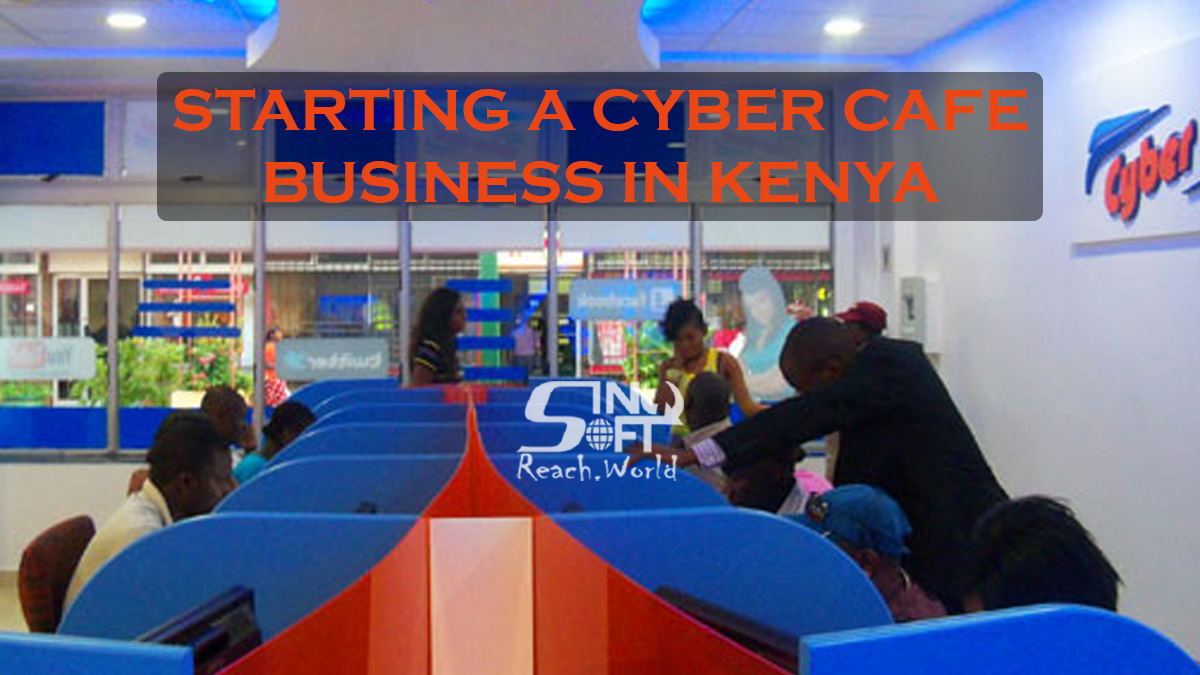
How to Start a Cyber Business in Kenya
Cyber Cafe business in Kenya is the best business idea you would ever come up with, because, despite the availability of personal computers in almost every home and establishment, people still visit cyber cafes to make use of the computers and for a number of other reasons. Most such businesses are doing extremely well with a wide range of clients. Launching a cyber cafe business in Kenya costs about Kes100,000-200,000 depending on your plans and budg
Read Blog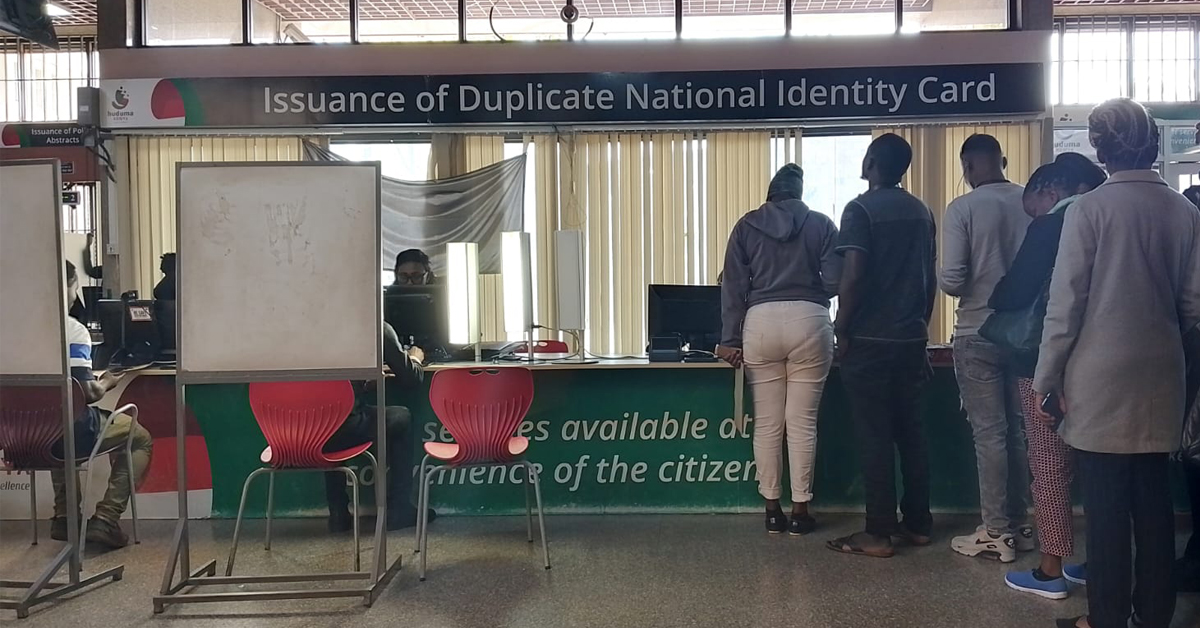
List of Government Services offered at Huduma Centers in Kenya
The following lists consists of all government services offered at Huduma Centers in Kenya. Affordable Housing Programme (Boma Yangu) Kenya Power Registration of Self Help Groups KUCCPS( Kenya University and Colleges Central Placements Services) Helb -Student Loan Application Repayment Issuance of Police Abstracts Issuance of Duplicate National Identify Card National Identity Card Collection Kenya Na
Read Blog